Orchid Season in Chiltern's Ironbark Forest

Most of the year the forest between Chiltern and Beechworth is easy to drive past without a second look. Grey trunks, a thin canopy, paddock on one side and scrub on the other. For a handful of weeks each spring the ground under those trees does something the rest of the year gives no warning of.
Ground that was dug over once already
Gold was found at Beechworth in 1852, and by 1858 the Chiltern and Indigo goldfields were drawing thousands of miners into this same country. Timber cutting followed the mining, and cattle grazed the Mt Pilot side of the range into the 1990s. The national park was only declared in October 2002, stitched together from a box-ironbark reserve on the Chiltern side and a separate block at Mt Pilot. Nothing under these trees is untouched ground. It has simply had a few decades to get on with growing back.
What comes up between the trees
Spring is when it shows. Parks Victoria and the Victorian National Parks Association both point visitors here in September and October for the same reason: wattles, lilies, bush peas and orchids come up through the leaf litter in a rough sequence that keeps changing for weeks. Nobody plants any of it. It is what a box-ironbark forest floor does when it is left alone for long enough.
Granite underfoot
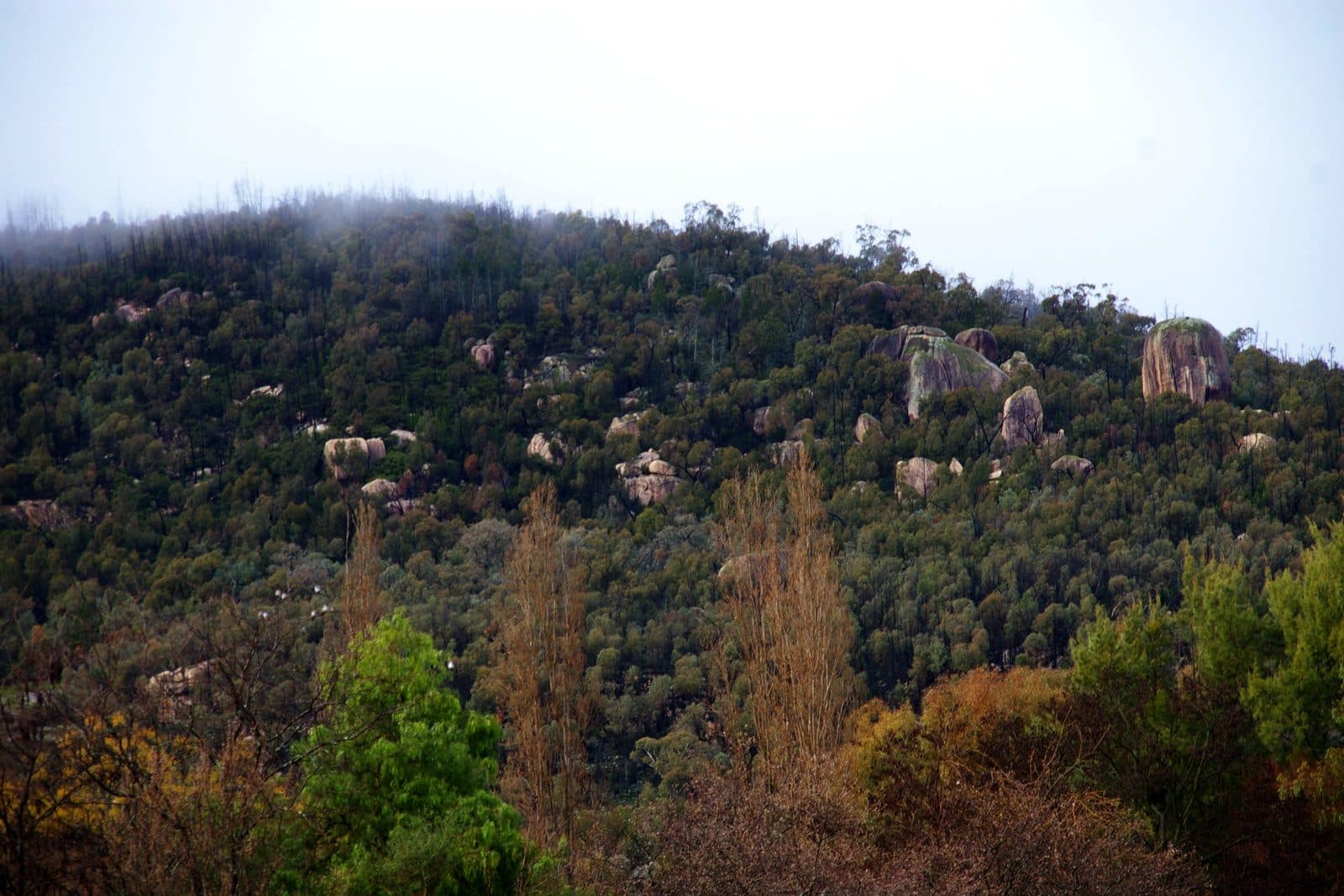
Much of the flowering happens around the granite boulders that push up through the Mt Pilot side of the park, ground too rocky and thin to have ever been worth clearing for a paddock. That is not an accident. The plants that do best here are built for poor, shallow soil and a dry summer, and several of the district's rarer orchids grow nowhere except country like this.
It is a small thing to carry that kind of weight. A single leaf, a flower spike barely taller than a garden trowel, one or two creamy white blooms with fine red lines through them and a faint citrus scent if you get down close enough to notice. Most people who walked past one would take it for a weed having a good week.
The donkey orchid on this page is a different, far more common thing, one of the ground orchids that turns up right across this kind of forest in spring, box-ironbark from here well past Rutherglen. It is not rare. It is just low and easy to miss and gone again within a few weeks, which might be the better reason to go looking for it while it lasts.
Going to look
The park runs to a bit over 21,000 hectares between the two towns, and none of it asks for much more than a morning. Mt Pilot has a lookout near the summit with a long view over the district, and there are shorter walks off the Chiltern side for anyone who would rather stay closer to the car. You do not need to know one orchid from another to notice that the forest floor is doing something unusual. Spring is simply the only time it does it.
Come in past the forest before you head home. We open at seven and the bread is out early, which is exactly what you want after a stretch of looking at the ground.
Thank you for reading.
More from the Journal
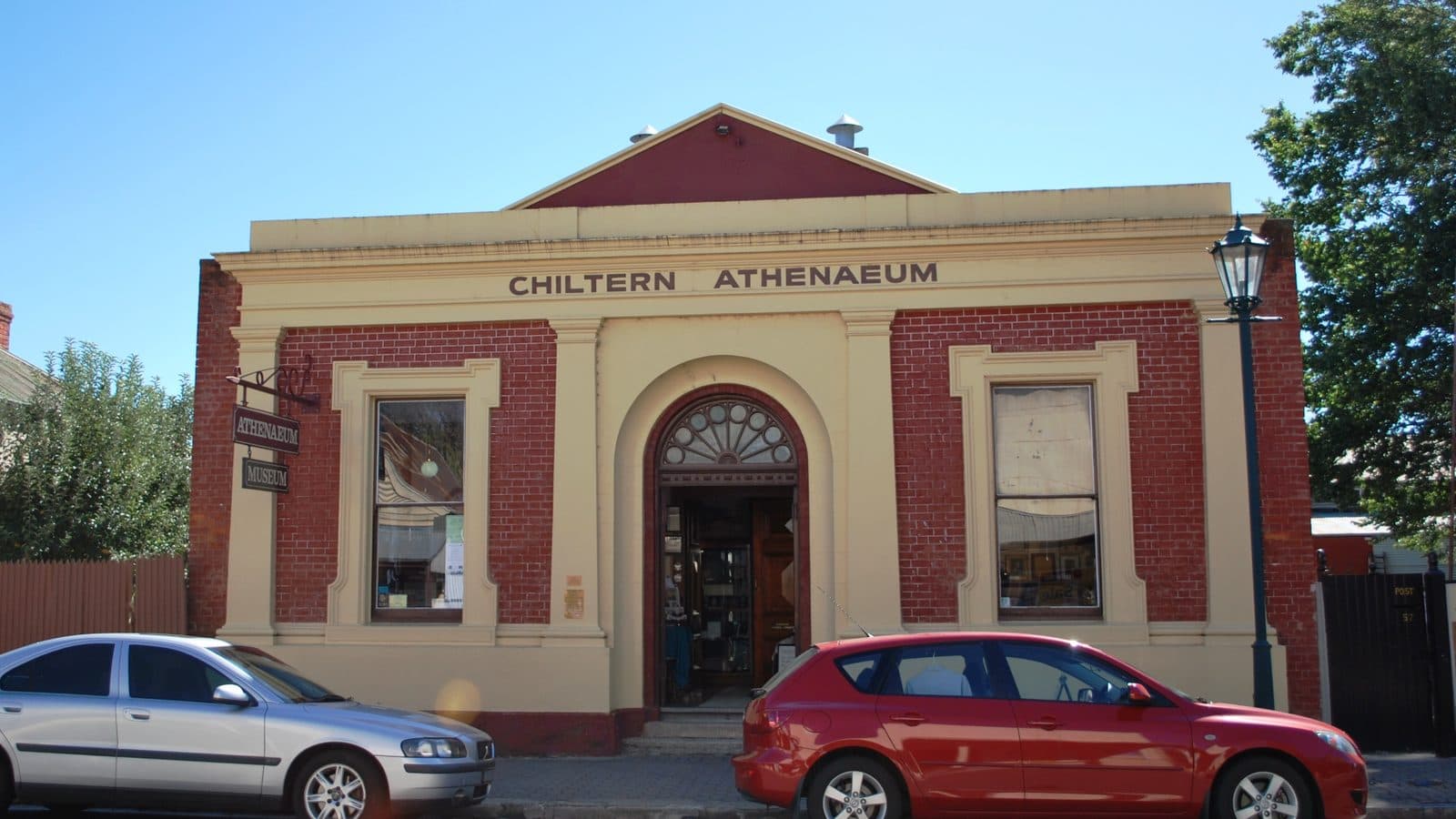
The Shepherd Who Painted Chiltern on Gum Leaves
A shepherd on the Eldorado run had no paper or canvas, so he painted on gum leaves instead, and more than a century on his work still hangs in Chiltern.
Read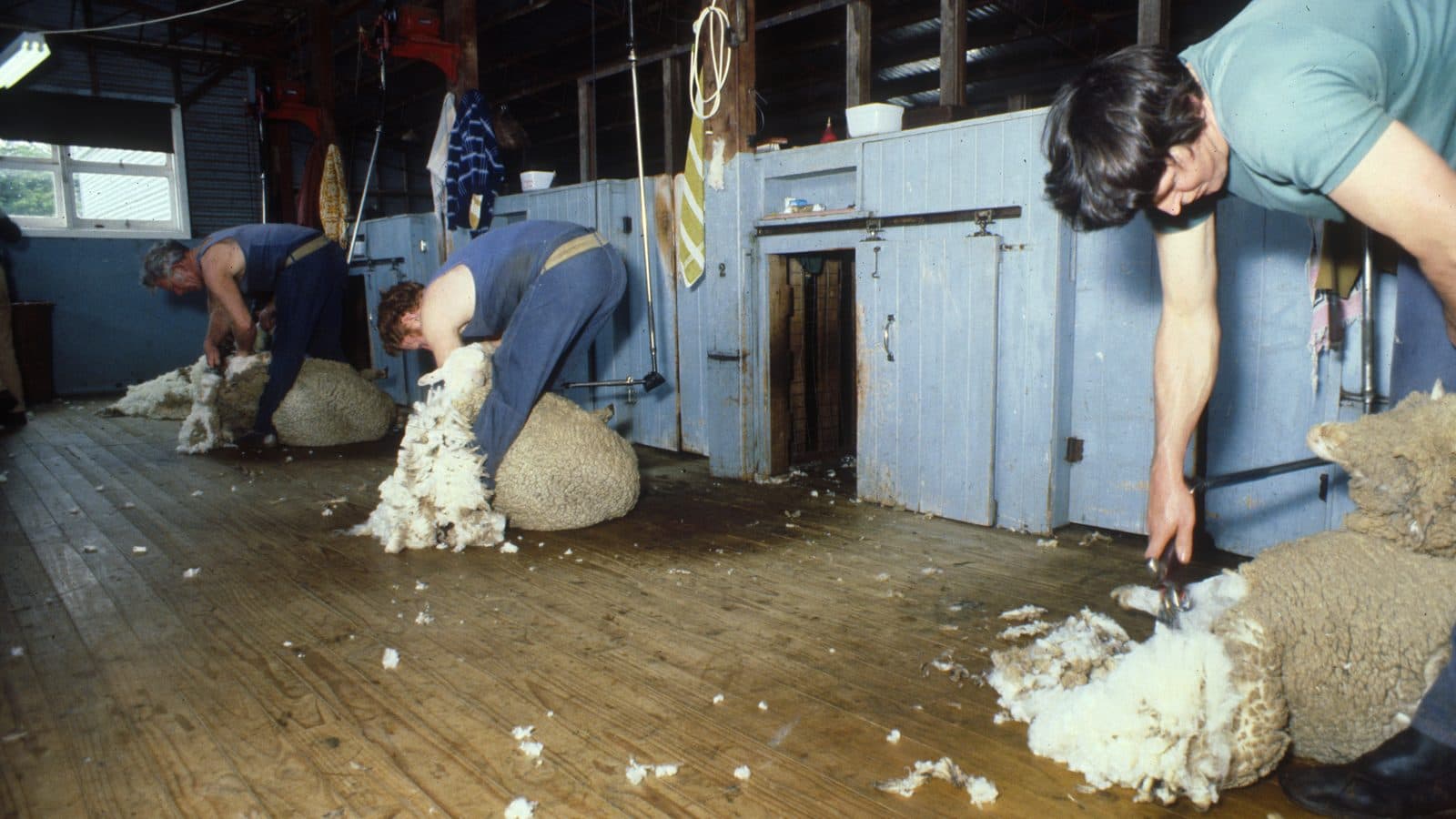
Shearing season, and the shed Tom Roberts painted
Spring is when the wool comes off across the north-east. In 1888 a painter carried his canvas into a shed over the river and made the picture everybody knows.
Read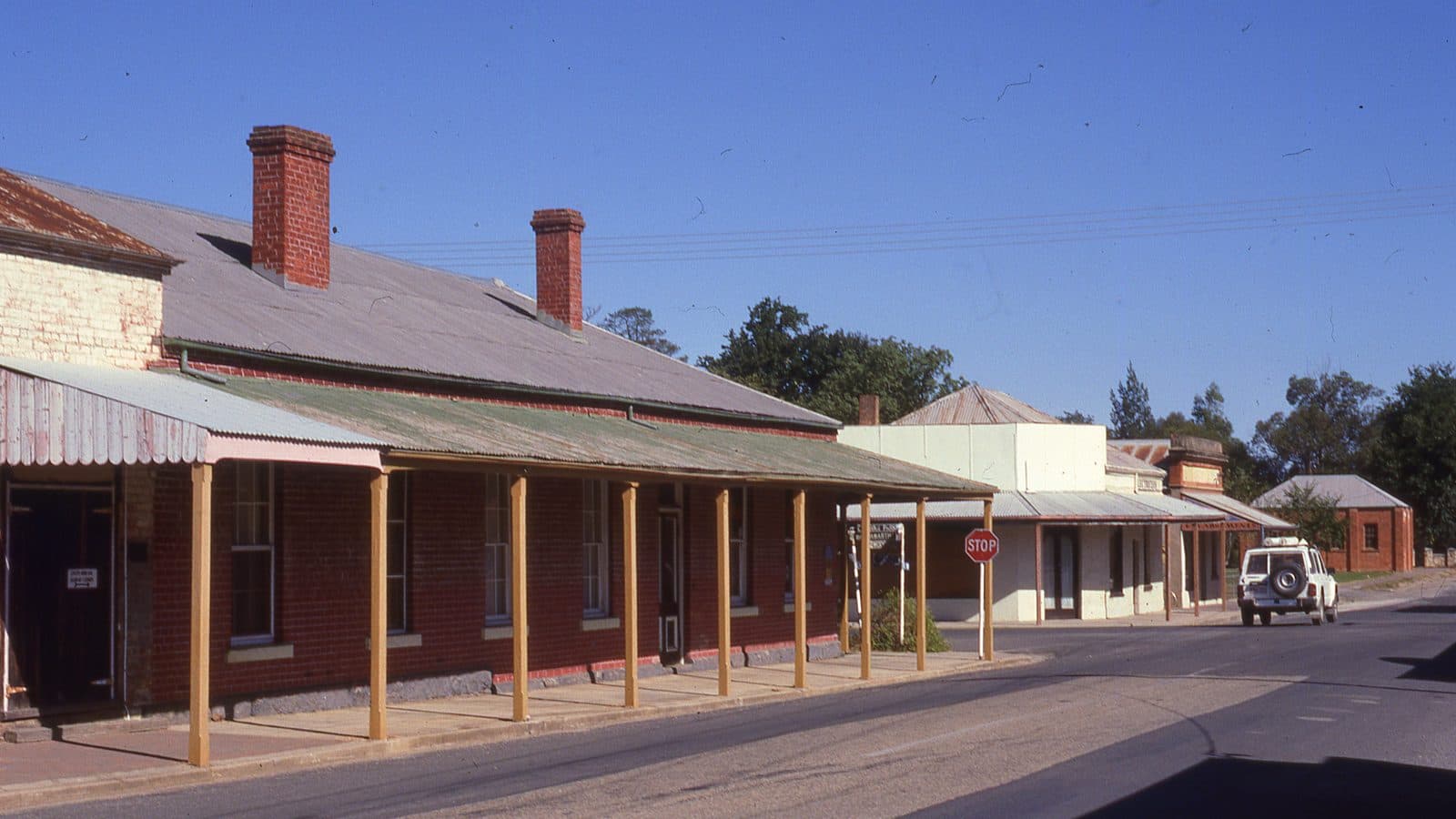
Dow's Pharmacy, Chiltern: the shop left as it was
A pharmacy has stood on Conness Street since 1859. When Dow's shut its doors in 1969 the stock stayed on the shelves, and it is all still in there.
Read