A slow weekend in Chiltern
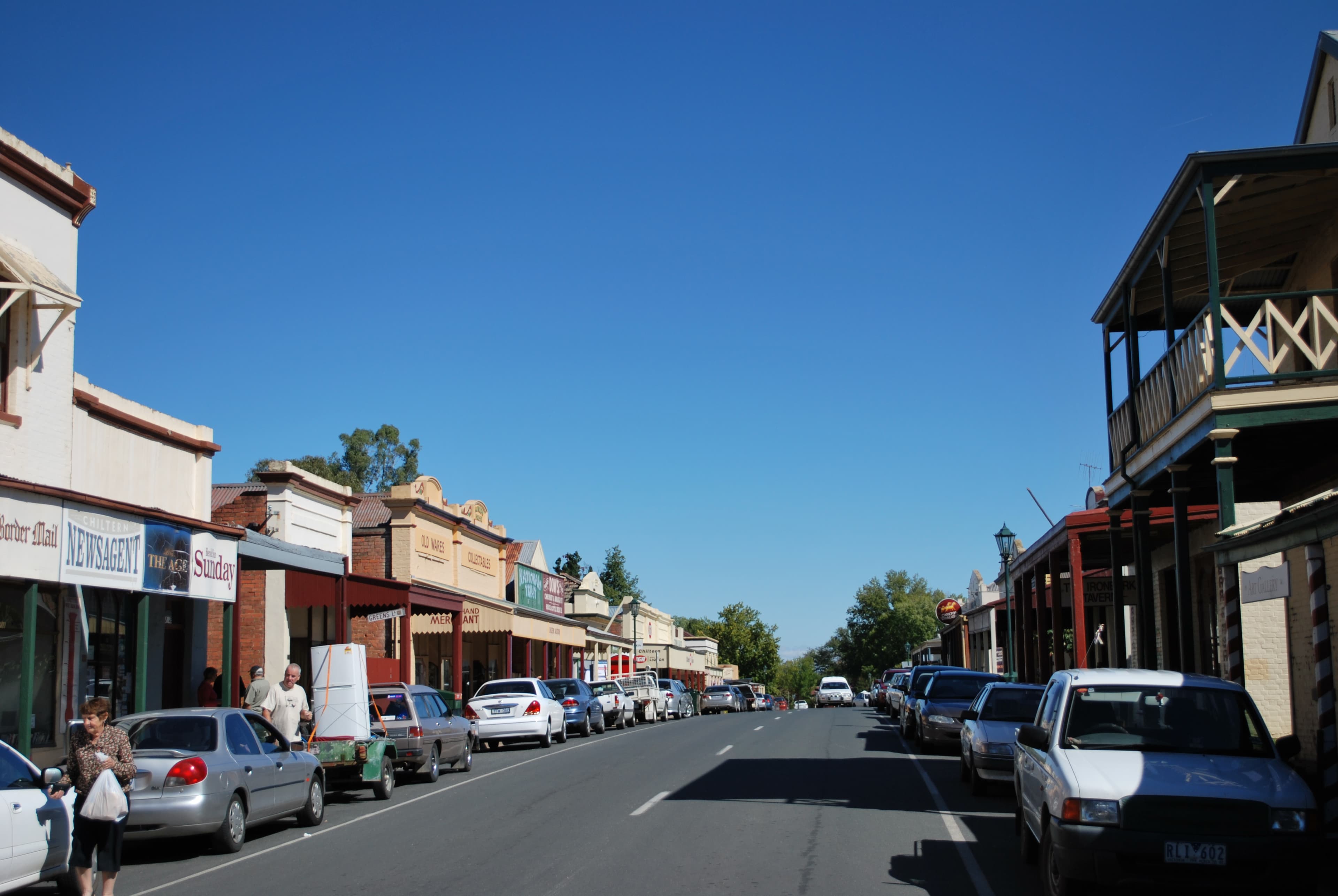
Chiltern in summer is a town you drive through. The trees are full, the cafes spill onto Conness Street, and the heat presses down on the long afternoons until the cicadas start. Chiltern in winter is a town you walk in. The leaves are down. The streets are quiet by five. The afternoon light arrives at angles that make the nineteenth-century shopfronts look like sets, and the cold pulls you indoors at intervals. You go in for coffee, for shelter, for the smell of bread coming out of an oven somewhere on the street.
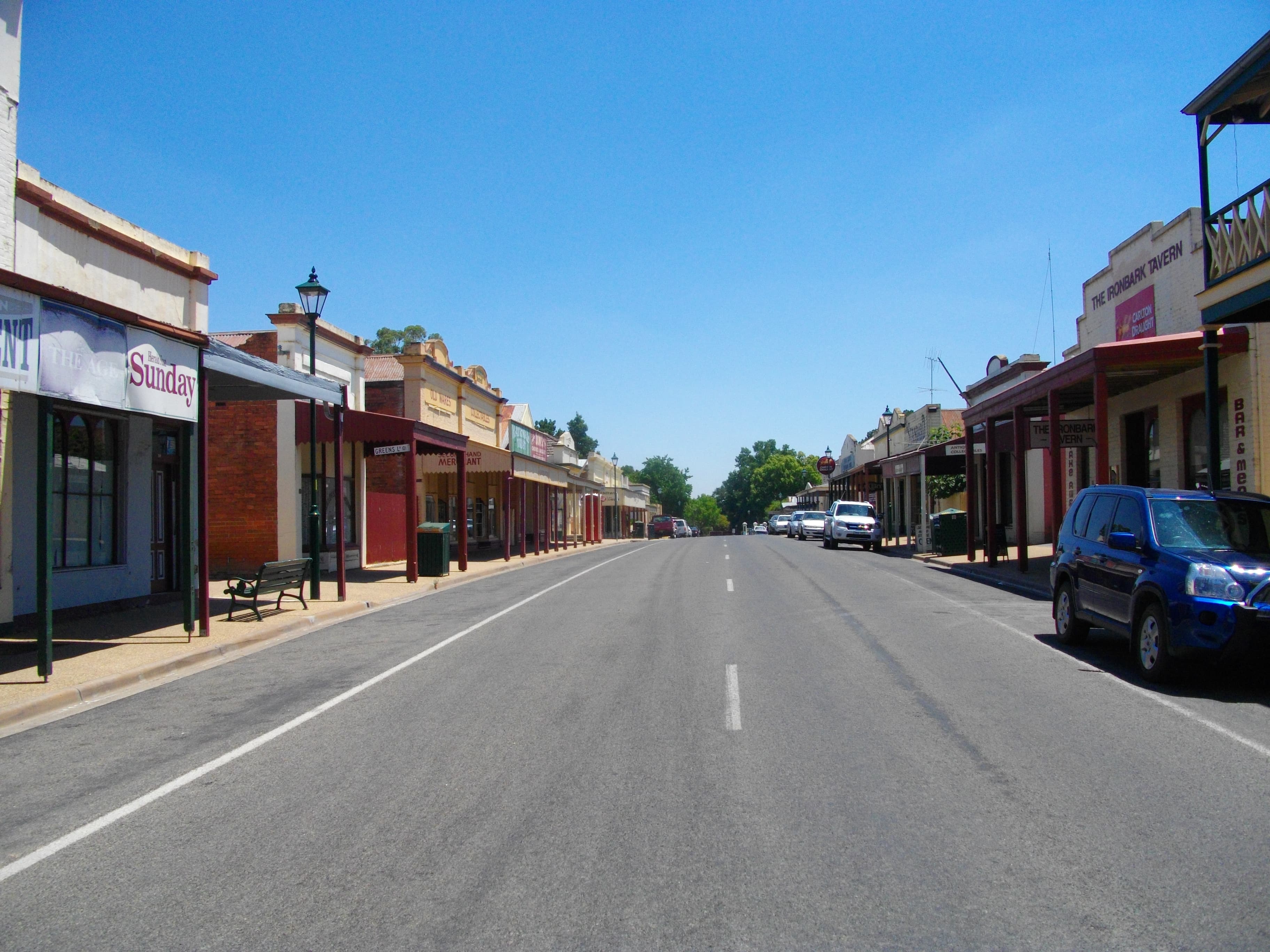
Towns shaped by gold are different in winter. The rush at Chiltern began in 1858, peaked through the early 1860s, and faded inside a decade. But it left the buildings. There was never a flood of new money to tear them down, so what stands today is a streetscape with the proportions of a busier era. Wide thoroughfares. Verandahs that go on. Brick walls scaled for hotels that once took a hundred guests a night. In winter, with the elms bare and the foot traffic thin, all of that history becomes more legible than it is in the rush of December.
Most people who come up here in winter come for a weekend, arriving Friday evening and leaving after Sunday lunch. It is enough time. The town does not ask to be done. It asks to be walked, slowly, in the kind of layers that account for a three-degree morning and a twelve-degree afternoon. The list below is a suggestion, not an itinerary.
What to see
Four places worth a morning each, in no particular order.
Mount Pilot
The lookout above the gum line
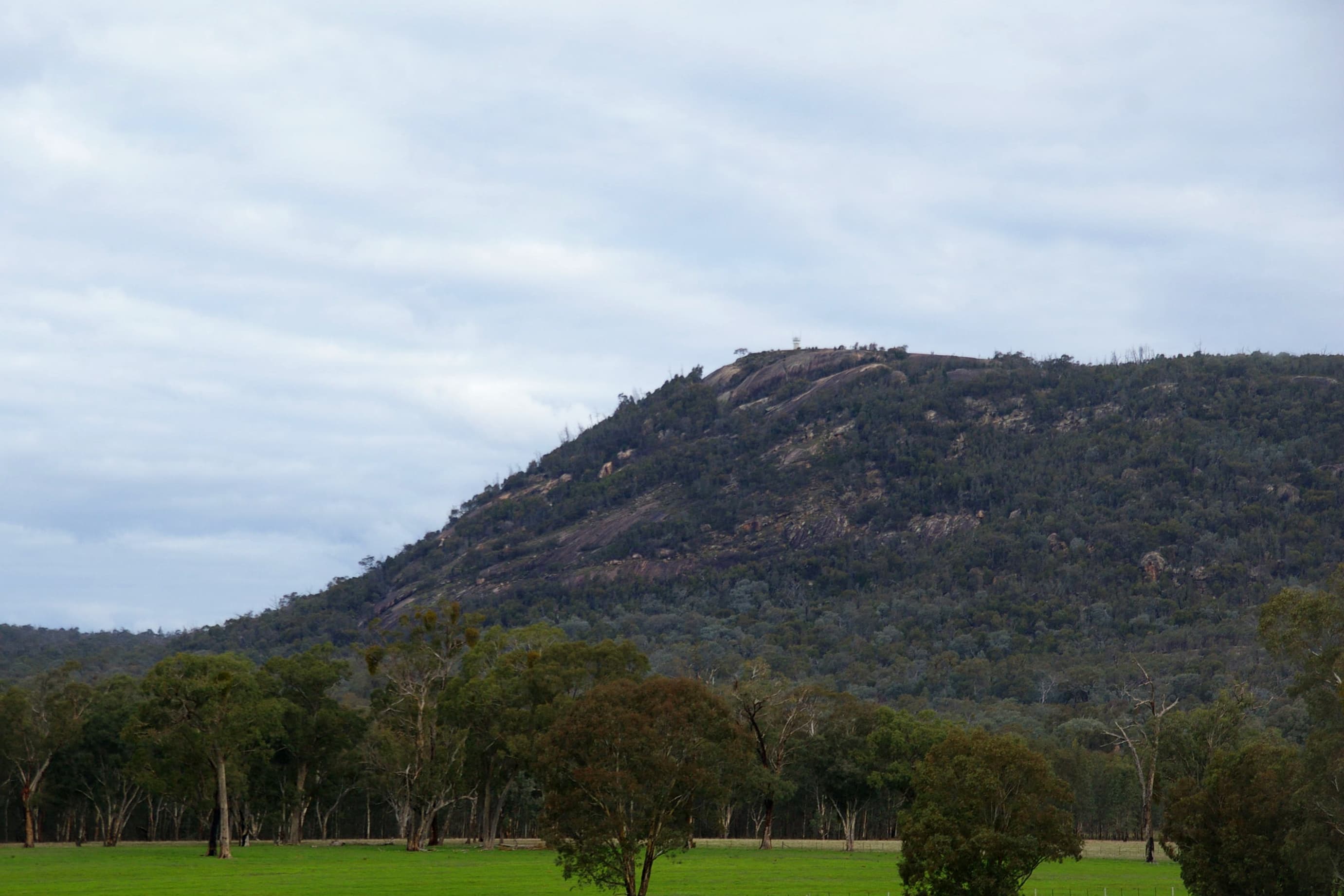
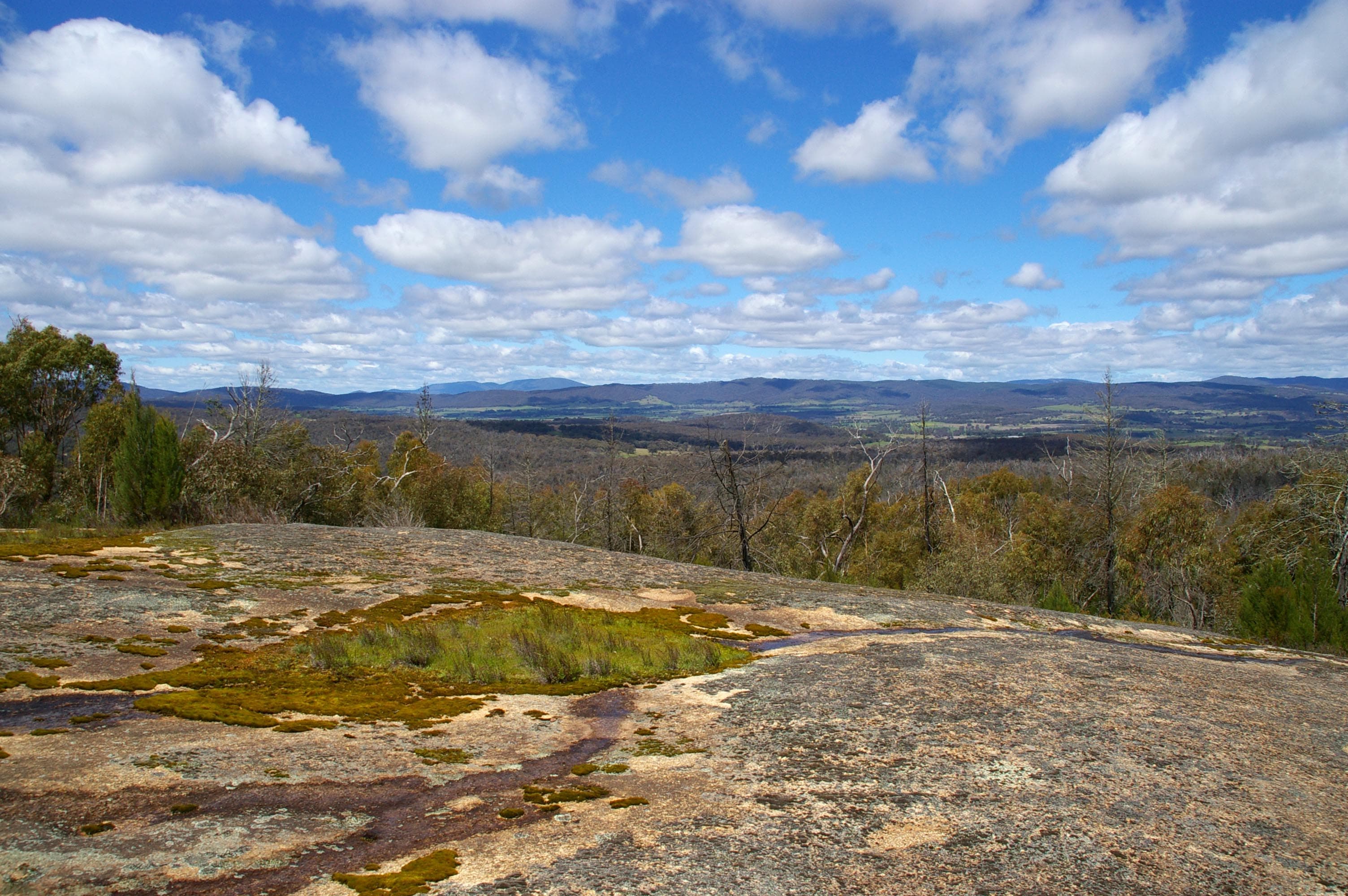
A short drive south of town into the granite country of the Chiltern–Mt Pilot National Park. A well-made path leads to the 545-metre summit and a 360-degree view; on a clear winter day you can pick out Mount Buffalo on the southern horizon. Pack a beanie. The wind at the top is colder than it has any right to be.
Lake Anderson
An old mine, a small lake, a heritage bridge
A walk-around lake at the edge of town, sitting in the bowl where the old Alliance Gold Mine used to be. The water came up by subsidence once the workings closed. It is a bird refuge now. A small heritage bridge crosses the spillway. Forty minutes at a slow pace, longer if you stop, and best in the last hour of light.
Athenaeum Museum
The town's memory, in the old town hall
Housed in the former town hall on Conness Street (built 1866). Two rooms of memorabilia from the mining and farming years, paintings by the local nineteenth-century artist Alfred William Eustace, and material connected to two Chiltern names. Henry Handel Richardson lived here as a child, and Sir John McEwen farmed in the district before he was Prime Minister. Volunteer-staffed, winter hours, ring ahead.
Conness Street
The shopfront walk
Half an hour, end to end, slowly. The Federal Standard newspaper office (1860) still has the old printing press inside. Dow's Pharmacy (1859) is intact since 1969, when the National Trust took it. The Star Hotel (1866) has the largest grapevine in the southern hemisphere planted in its courtyard in 1867. The bakery is on the western side, halfway down.
What to walk
The Chiltern–Mt Pilot National Park is the bigger walking country, with marked trails ranging from an hour to a full day. The Whitebox Walk out of the Honeyeater picnic area is the introduction. It runs 8.5km, two to three hours, taking you through eucalypt forest, old goldfields, and the natural and historical features of the park. Or just walk the residential streets in the first hour after dawn. There is frost on the lawns, the smell of woodfires, and a single dog out for its morning. That is its own kind of walking, and it is best in winter.
The granite at the summit
The Mt Pilot Lookout walk is the short one in the park, a well-made car-park-to-summit path that is easy to climb in good shoes. The reward is the granite at the top: outcrops that catch the last hour of light and make perches for sitting. If you walk the lookout late in the day, watch your footing on the descent. The path tracks west, and in winter the shadows come fast.
What to eat
A town this small has one bakery, and it sits at 27 Conness Street on the western side. Daniel and Lisa are there most mornings, behind the bench. The bread is out by seven. The plain white and the wholegrain go fastest; if a wholegrain loaf is the reason you are walking down Conness Street, walk down Conness Street early. Doors shut at four through winter, three on Saturdays and two on Sundays.
Beyond the bakery, evenings in winter are mostly the heritage pubs. The Star and the Grapevine are both 1866 buildings, and both keep shorter winter hours than summer. Ring ahead if you want a table on a Friday or Saturday; lunch on Sunday is the safer bet. Past that, it is a town that closes early, which is half the point of being here.
What to bring
Winter in this part of country Victoria asks for layers, not bulk. June and July mornings in Chiltern sit in the low single digits. Three degrees is common at dawn. Afternoons climb into the low teens with sun, twelve or so at peak. The wind on the Mount Pilot summit is colder than the temperature on your phone will suggest, every time, without exception.
- A weather-resistant coat that is good without being heavy
- Gloves and a hat (the hat matters more than you think)
- Walking shoes with a tread, since the park tracks are wet through July
- A daypack large enough for a loaf, a flask, and a book
- A camera that is happy in low warm light
Some places are at their best when no one is around. Chiltern in winter is one of those. The streets are not louder for the company of strangers. They are quieter because the company is fewer. Come for a weekend in June. Walk a long Saturday. Stop in to the bakery on the way back to your accommodation, on Sunday morning before the drive home, on a Saturday afternoon when the light is going. Take your time. Leave with bread.
Thank you for reading.
More from the Journal

Tomatoes by Cup Day: Spring Planting Around Chiltern
Plenty of Victorian gardeners still wait for Melbourne Cup Day to plant their tomatoes. Around Chiltern the reason is frost, and the rule bends a little.
Read
Lake Anderson, the Gold Mine That Became Chiltern's Lake
Nobody dug Lake Anderson as a lake. It is what was left when the ground over an old gold mine sank, and the town has made good use of it since.
Read
Orchid Season in Chiltern's Ironbark Forest
For a few weeks each spring the forest floor outside town does something the rest of the year gives no warning of, and most of it is orchids.
Read