Swarm Season Around Chiltern, and the Bee Sting Cake
Late October is a busy time for bees around Chiltern. The gardens are in flower and the paddock edges have come up green, and on a warm afternoon you can hear a flowering tree from across the yard before you see what is in it.
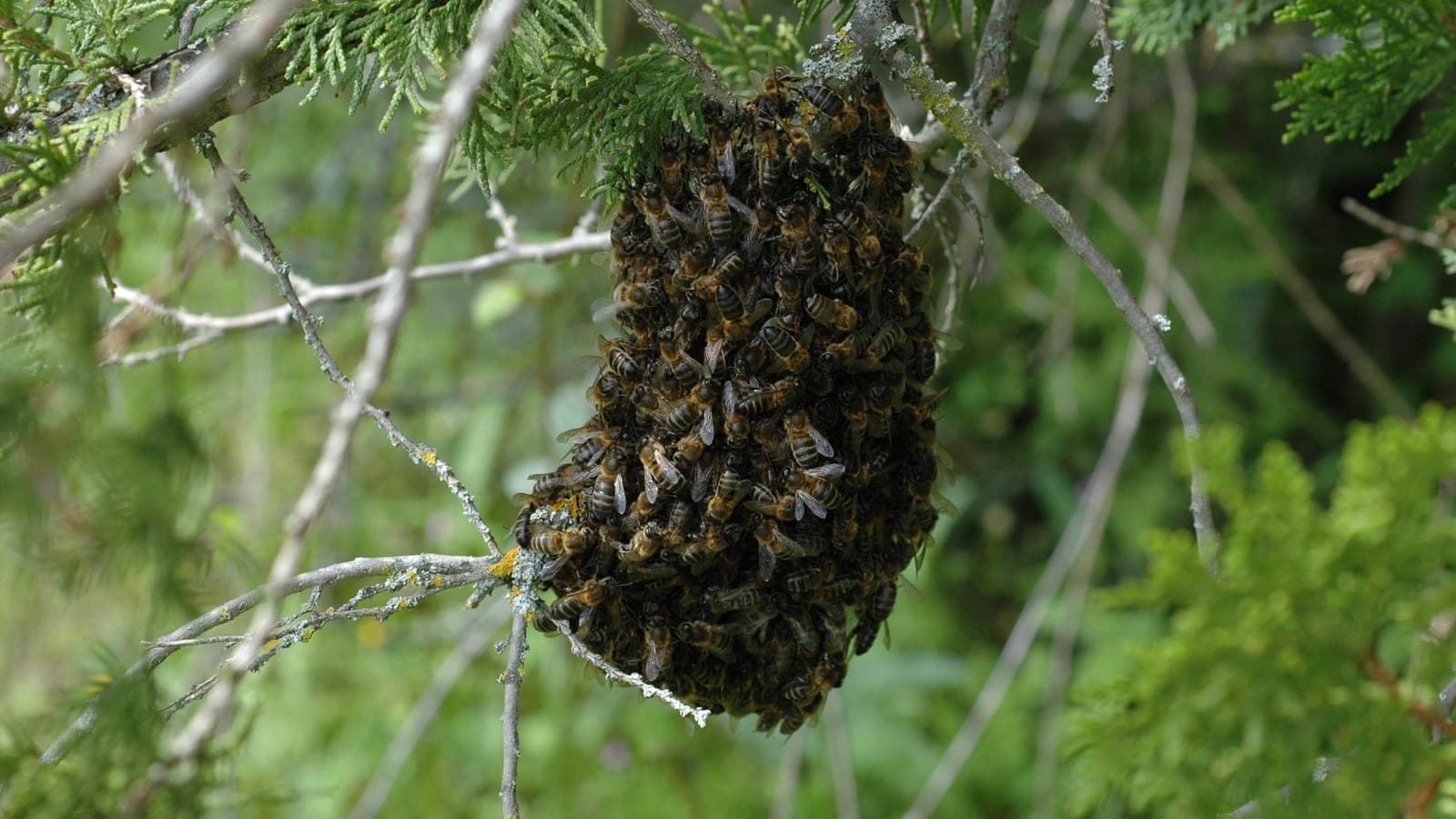
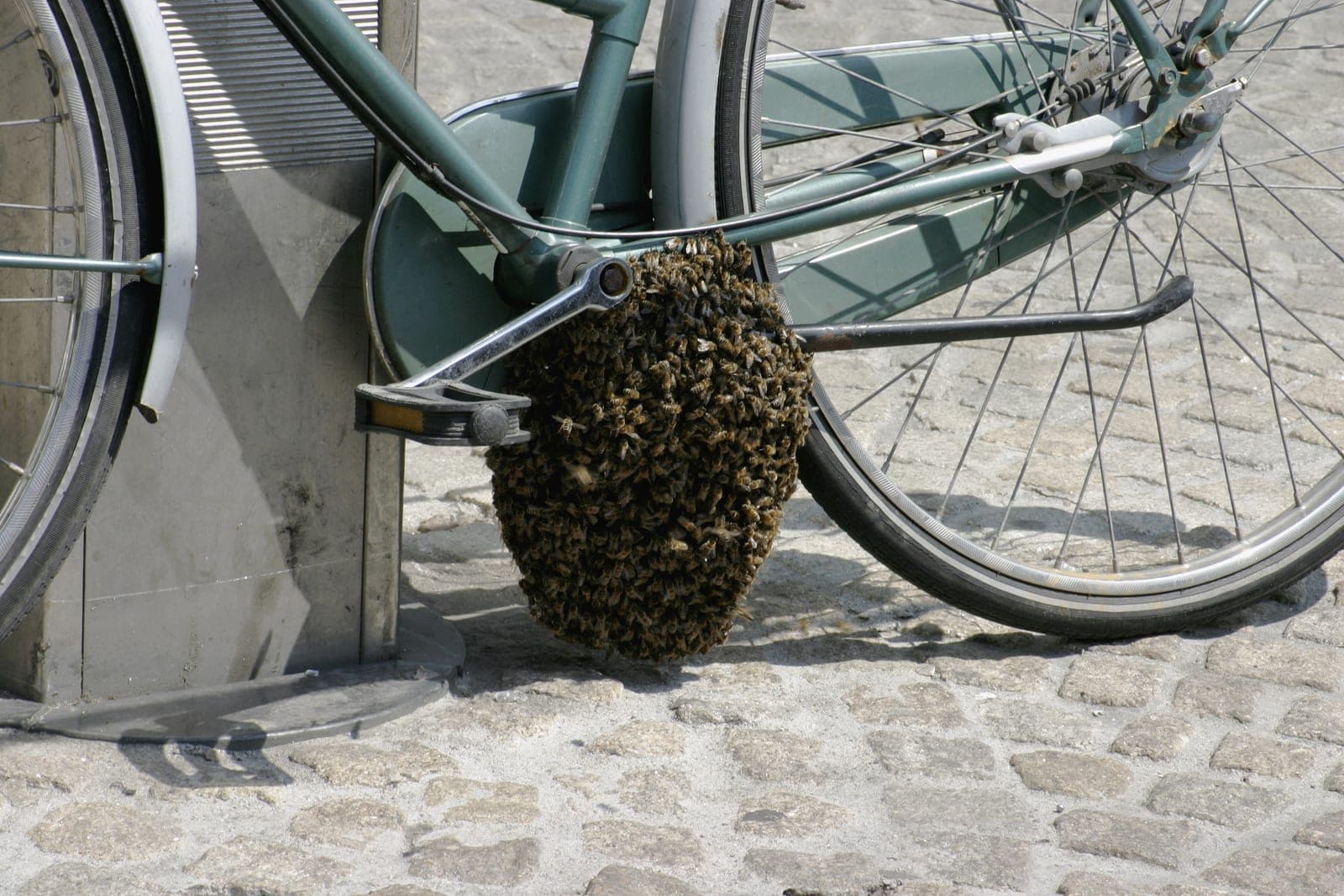
Now and then the noise turns into something else. A dark cloud of bees drifts over a fence, and an hour later there is a hanging brown lump of them on a branch or a post. It is swarm season, and it runs through spring into early summer.
Why spring is swarm season
Agriculture Victoria says swarms come in spring and early summer, and the Bendigo Advertiser puts the season in central Victoria at about late September to early November. Daniel BeeShepherd, who founded the Castlemaine Bee Sanctuary, told the paper that swarming is how a colony reproduces. When a hive gets too crowded, about half the bees leave to start again somewhere else.
The cluster on the branch is a resting stop. The paper describes a typical swarm as about the size of a football, holding on average around 40,000 bees. While it hangs there, scouts go out looking for a new home and come back to dance for the others, and by his account, once more than half of them are doing the same dance, the whole lot lifts and goes.
Most people find being in the vicinity of a swirling swarm of bees a frightening experience.
That is fair enough. But the Mornington Peninsula Shire says swarms are generally not aggressive unless provoked, and BeeShepherd called swarming bees "as gentle and docile as honeybees get".
If a swarm settles in your yard
Most of them sort themselves out. The Mornington Peninsula Shire says a swarm will usually move on within a few days, and a beekeeper can often collect it sooner. Agriculture Victoria describes how simple that can be when the swarm has settled somewhere low: an empty box underneath, a quick shake of the branch, and most of the bees drop in.
- Leave it alone. The Mornington Peninsula Shire says interfering with a swarm can aggravate the bees and makes them harder to remove.
- Keep children and animals well away, the Shire says, and that includes the dog that wants a closer look.
- Wear shoes in the garden for a day or two. Bees can settle on the ground as well as in a tree, and the Shire's advice is to protect your feet.
- Ring a beekeeper. The Bendigo Advertiser's advice is to call one as soon as a swarm turns up, and Agriculture Victoria notes that some beekeepers will collect a swarm from a neighbour's place even when they know the bees are not theirs.
- If you are tempted to keep them, Agriculture Victoria says anyone who owns even one hive must register as a beekeeper.
The cake with a bee in its name
Bienenstich, or bee sting cake, is German. Wikipedia describes it as a sweet yeast dough with a baked-on topping of caramelised almonds, filled with vanilla custard, buttercream or cream.
Nobody is sure where the name came from. The story usually told goes back to the Rhine in 1474, when the town of Linz planned an attack on its neighbour Andernach. Two baker's apprentices from Andernach, who had been helping themselves from the bee nests hanging on the town wall, threw the nests down on the raiders, and the raiders were stung and ran. A cake was baked to mark it. Wikipedia calls this probably a much later legend, and notes that the earliest German and Swiss recipes for the cake only date from the start of the twentieth century.
Of the cakes we make, the bee sting is the one our baker, Daniel, likes best. It is a yeasted cake, not a batter, with a cream layer and a nutty glaze.
If a swarm turns up in your yard this spring, it will most likely be gone within a few days. In the meantime, come by Conness Street and ask for the bee sting. We open at seven.
Thank you for reading.
More from the Journal

Tomatoes by Cup Day: Spring Planting Around Chiltern
Plenty of Victorian gardeners still wait for Melbourne Cup Day to plant their tomatoes. Around Chiltern the reason is frost, and the rule bends a little.
Read
Lake Anderson, the Gold Mine That Became Chiltern's Lake
Nobody dug Lake Anderson as a lake. It is what was left when the ground over an old gold mine sank, and the town has made good use of it since.
Read
Orchid Season in Chiltern's Ironbark Forest
For a few weeks each spring the forest floor outside town does something the rest of the year gives no warning of, and most of it is orchids.
Read