What cyclists pack leaving Chiltern
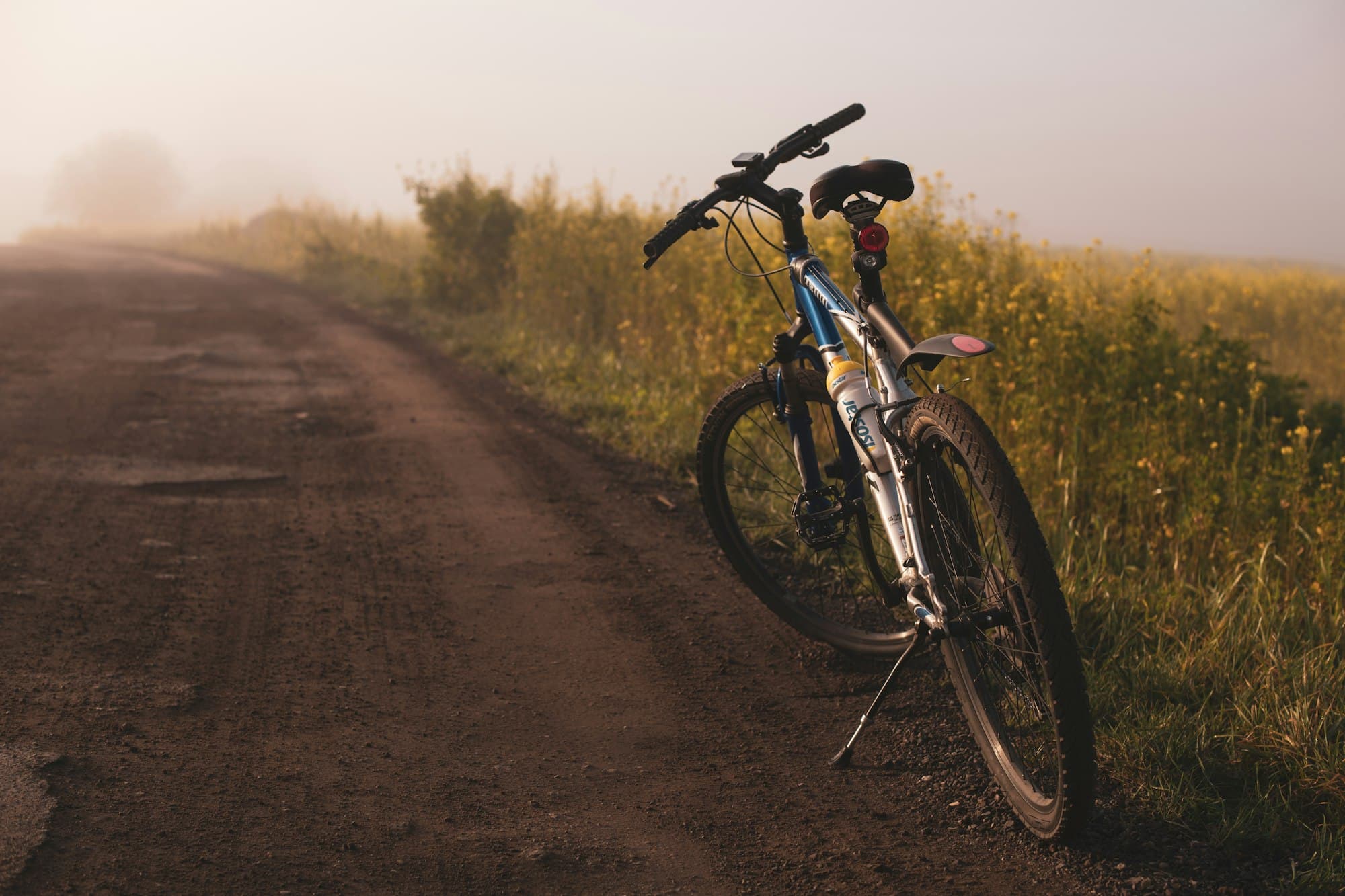
Autumn comes to the high country slowly, then all at once. The mornings that were still warm a fortnight ago now arrive with a chill that sits in the hands on the handlebars, and the light on the paddocks goes gold earlier each afternoon. This is the time of year when the Murray to Mountains rail trail fills with people who have been planning their ride since winter. They pull into small towns hungry, a little cold, looking for something real to eat before the next stretch.
Chiltern sits roughly twenty kilometres from the main trail spine, off the Springhurst junction. It is not a trail town in the way that Beechworth or Bright are. No one is coasting in directly off the rail corridor. But people do come through: on the way out, on the way back, on a rest day. And when they do, the question of what to put in the pannier for the road is a practical one.
What a loaf is actually for on a long ride
Bread travels well. It does not need refrigeration. It does not bruise. A good wholegrain loaf holds its shape in a pannier bag for a full day without turning to rubble, and it stays genuinely edible through the afternoon, when the body is asking for something more than a muesli bar. That is not a small thing on a two-day ride.
There is also something about the weight of a loaf that is worth naming. Bread is not light. Riders who are counting grams on a loaded bike are making a deliberate choice when they put a loaf in the bag rather than a packet of crackers. They are choosing something that requires cutting, that takes up space, that needs eating in company or over two meals. A loaf is a commitment to stopping. To sitting down. To the ride having a middle as well as an end.
The town the trail goes near
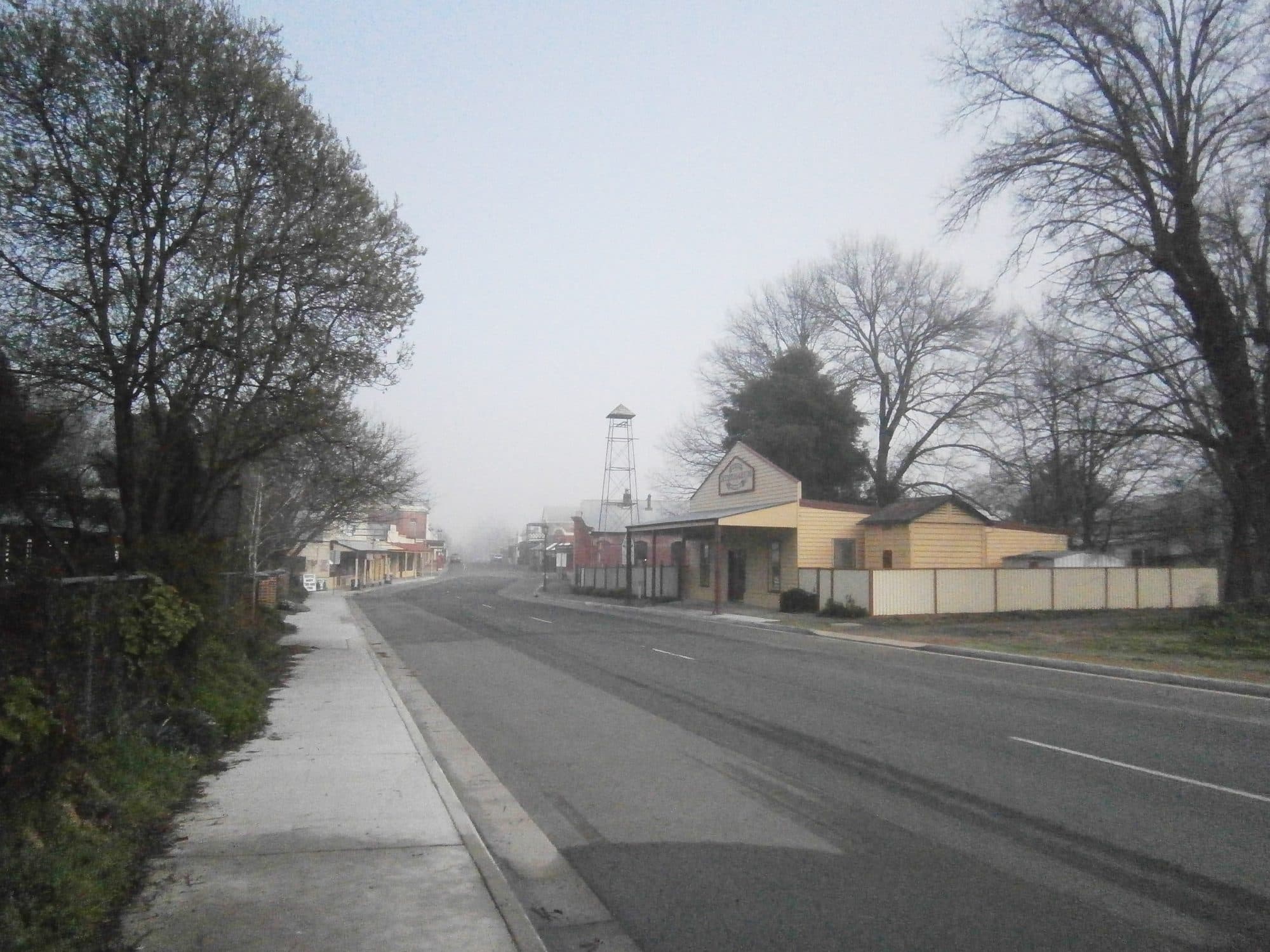
Chiltern is a town that does not shout about itself. The main street is short. The buildings are nineteenth-century. There is a pub, a post office, a general store, and the bakery at 27–29 Conness Street, where Daniel, a baker of five years' standing, makes bread every day. The street is wide and quiet on most mornings, and the smell from the bakery reaches the footpath well before you can see inside.
Daniel told Cafe Reporter earlier this year that he and his partner bought the bakery because they liked the small town: Chiltern had a long history and the people were friendly. That is the kind of answer that explains why a bakery like this one still exists in a town of this size. The numbers are not the reason. The town is the reason.
For a rider passing through, that distinction matters in a quiet way. A bakery that is in a town because it likes the town makes bread differently than one that is in a town because the rent is low. You can taste the difference in a wholegrain loaf that holds together on the road, or in a bun that is still good cold, or in a plain pie that asks nothing of its ingredients except that they be exactly what they are.
What goes in the bag
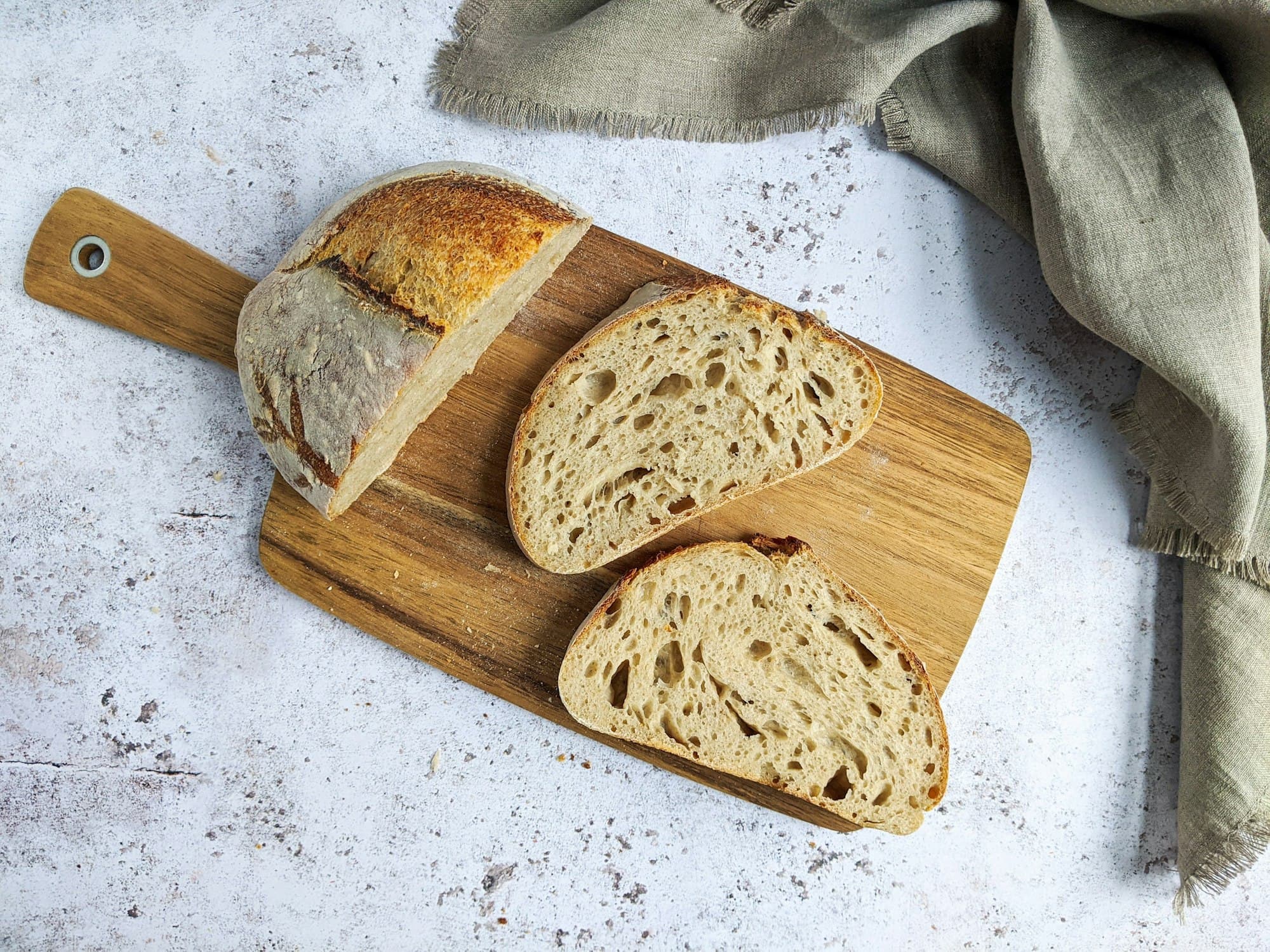
There is no set answer. What goes in the bag depends on who is riding, how far, with how many people, and whether there is a camp stove at the other end or just a cold tent and a penknife. But the things Daniel names as his favourites are the things that travel: the plain white loaf, the wholegrain, and the soft bun dough that he described to Cafe Reporter as very special, very soft, very moist. They do not depend on being eaten warm. They do not collapse at the first bump in the gravel. They are bread in the oldest sense: food for people who are going somewhere.
A pie goes in the bag too, sometimes. The plain pie, Daniel's stated favourite of the pies, is a thing you can eat cold with one hand while the other holds the map. It is compact. It stays intact. It is exactly the kind of food that a baker learns to make by feeding people who are working, not performing.
The bee sting, his favourite of the cakes, is a different kind of thing entirely. It is a cake for when you have arrived, when there is a table and someone to share it with, when the ride is over and the afternoon is long. It is the thing you buy on the way out of town to eat that evening, not the thing you eat on the trail.
If you are passing through Chiltern, on the way to the trail, back from it, or simply because the town is worth stopping in, the bakery is on Conness Street, and the bread is out early. Drop in, tell them how far you are riding, and see what Daniel puts on the counter.
Thank you for reading.
More from the Journal

Tomatoes by Cup Day: Spring Planting Around Chiltern
Plenty of Victorian gardeners still wait for Melbourne Cup Day to plant their tomatoes. Around Chiltern the reason is frost, and the rule bends a little.
Read
Lake Anderson, the Gold Mine That Became Chiltern's Lake
Nobody dug Lake Anderson as a lake. It is what was left when the ground over an old gold mine sank, and the town has made good use of it since.
Read
Orchid Season in Chiltern's Ironbark Forest
For a few weeks each spring the forest floor outside town does something the rest of the year gives no warning of, and most of it is orchids.
Read