The Australian meat pie: a short history of a winter habit
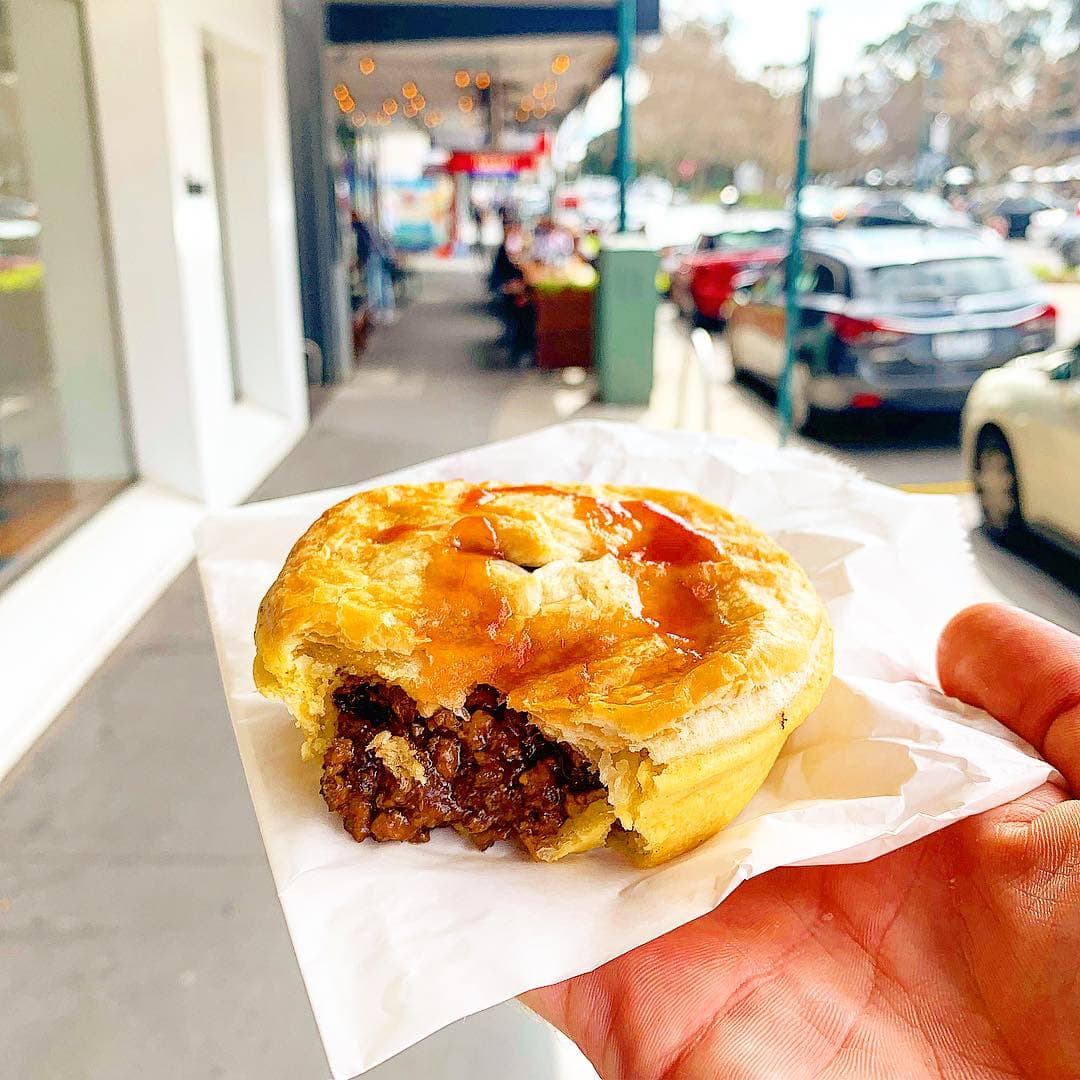
On a cold morning the pie is the first thing your hands reach for. It comes out of the oven too hot to hold, the pastry gone gold and blistered at the edges, steam finding the cold air the moment the top is broken. The Australian meat pie was never meant to be a refined thing. It is winter food, working food: a hot meal you can hold in one hand on the way to somewhere else.
A food that came out with the British
The pie did not start here. It came out with the British in the first years of the colony, when a pie was simply how you made a little meat go a long way and travel well. Those first pies were lamb or mutton, much like the ones left behind in England.
What made the pie Australian was the meat. As the flocks thinned and cattle spread, beef took the place of mutton, and the filling settled into the gravy-dark, minced-beef pie the country still eats. By the middle of the nineteenth century the pie had become ordinary. It was the food of anyone who worked outdoors and ate on their feet.
The pie and the diggings
A town built on a lead of gold
Chiltern knows that kind of eating. In 1858 a man named John Conness struck gold in the Indigo lead a few kilometres from here, and within a year a town of tents and hessian had thrown itself up over the diggings. At its height it held some twenty thousand people, a tenth of them Chinese. The street the bakery stands on still runs along the line of that lead, and still carries Conness's name.
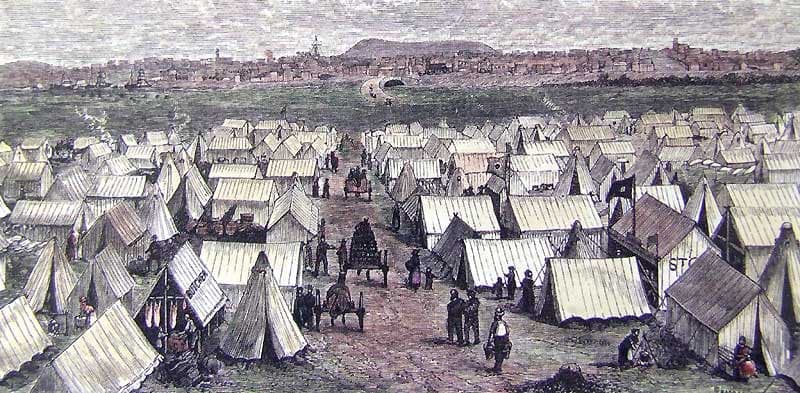
Goldfields food had to be portable. A digger worked wet ground all day and bought what could be carried and eaten warm in the hand. A pie, its pastry sealing the meat inside, was made for exactly that. The eating-tents and bake-houses of the diggings did a steady trade in them.
Why the Australian meat pie belongs to winter
Every food has its season, and the pie's is the cold one. It is hot all the way through, it holds its heat, and it asks nothing of you but a free hand. On a grey morning with frost still on the cars, a pie does the simple, immediate work of warming you from the inside out.
A different pie in every state
The country never settled on one pie any more than it settled on one football code. Each place bent the idea to what it had.
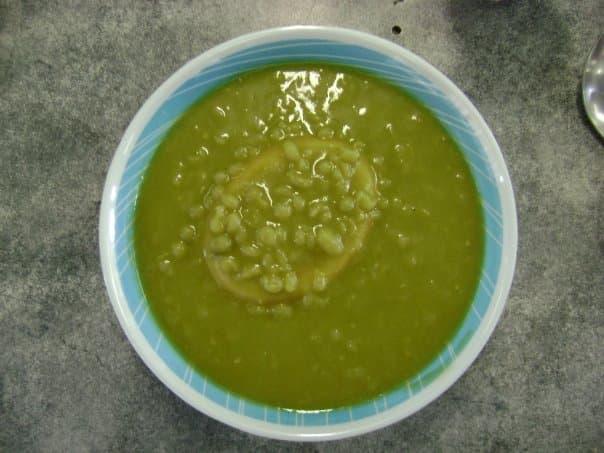
- In South Australia, the pie floater, a meat pie dropped into thick pea soup with a dab of tomato sauce, sold from pie carts on the streets of Adelaide since the 1870s and named a South Australian Heritage Icon in 2003.
- In Tasmania, the scallop pie: local scallops in a mild curry sauce, sealed in pastry, a Hobart habit since the nineteenth century.
- In Victoria, the footy pie: handed over a counter at the ground and eaten standing up in the cold, the kind Four'N Twenty turned into a Saturday institution after 1947.
The plain pie
For all the variations, the one Daniel comes back to is the plain pie: no scallops, no curry, no soup, just beef and gravy under a lid of pastry, the version the diggers would recognise. It comes out of the same deck oven as the morning loaves, the four-a.m. bake we have written about before. On a cold day it is honest, it travels, and it is exactly enough.
Out of the cold
So the next time you are on the inland road in the cold, heading up for the snow or taking the slow way home through the north-east, Chiltern is a good place to stop, and a pie is a good reason. The bread is out early, and the ovens are warm by the time the town is. Come in out of the cold, take a window table near Conness Street, and let the pastry do the rest.
Thank you for reading.
More from the Journal

Tomatoes by Cup Day: Spring Planting Around Chiltern
Plenty of Victorian gardeners still wait for Melbourne Cup Day to plant their tomatoes. Around Chiltern the reason is frost, and the rule bends a little.
Read
Lake Anderson, the Gold Mine That Became Chiltern's Lake
Nobody dug Lake Anderson as a lake. It is what was left when the ground over an old gold mine sank, and the town has made good use of it since.
Read
Orchid Season in Chiltern's Ironbark Forest
For a few weeks each spring the forest floor outside town does something the rest of the year gives no warning of, and most of it is orchids.
Read